Genetic variants in the GLP1R were identified as genetical proxies of GLP-1RAs by the glycemic control therapy, based on genetic associations with glycated hemoglobin (GWAS n=344,182) and T2D (n cases/controls =228,499/1,178,783)
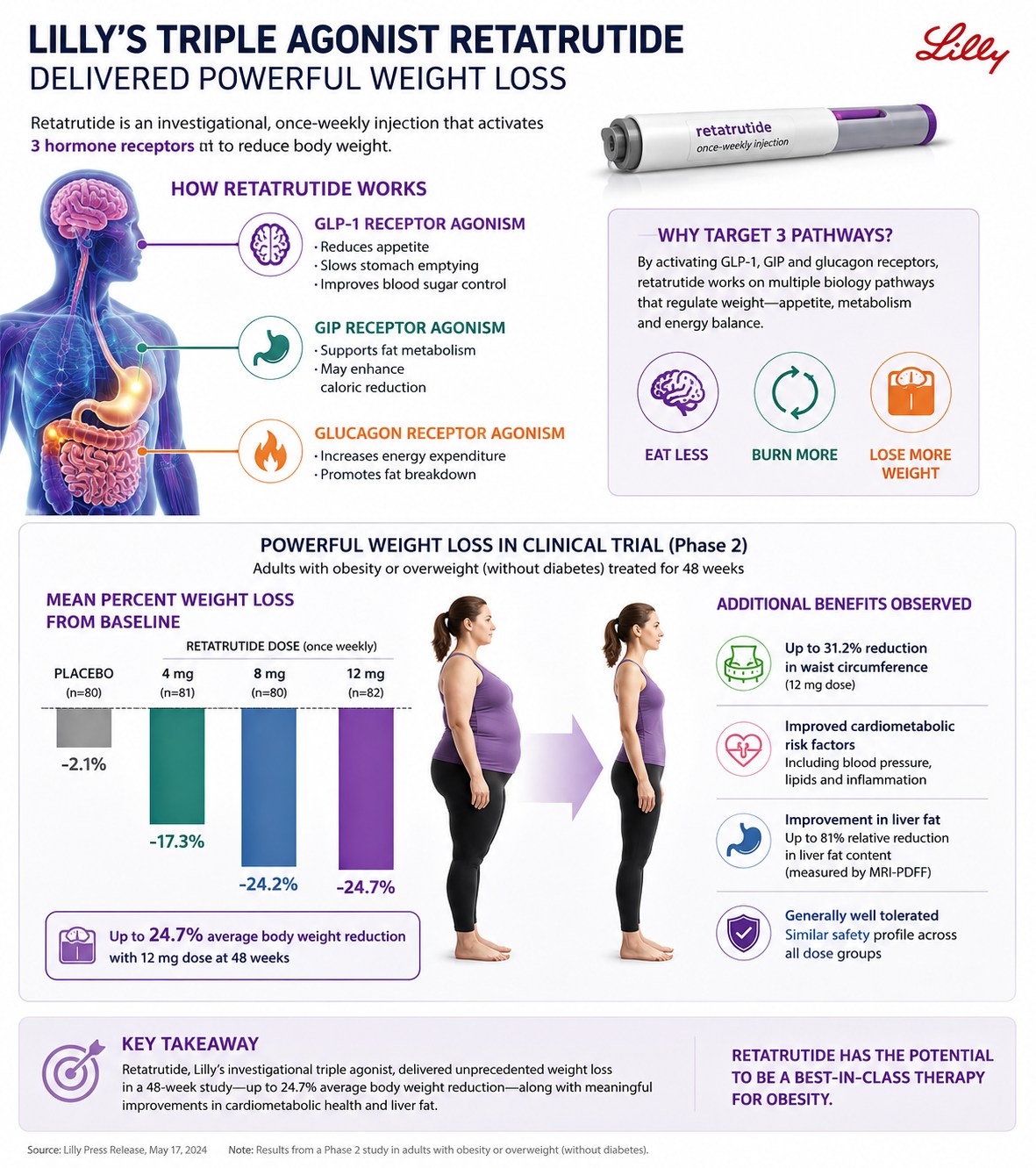
How the Three Pathways Work Together What makes the design work is that the three receptor pathways complement each other: GLP-1 reduces energy intake (you eat less) GIP optimizes how that energy is used (better insulin sensitivity, favorable fat distribution) Glucagon increases energy expenditure (you burn more calories at rest and mobilize stored fat) The net effect: you eat less, your body uses energy more efficiently, and you burn more calories at rest
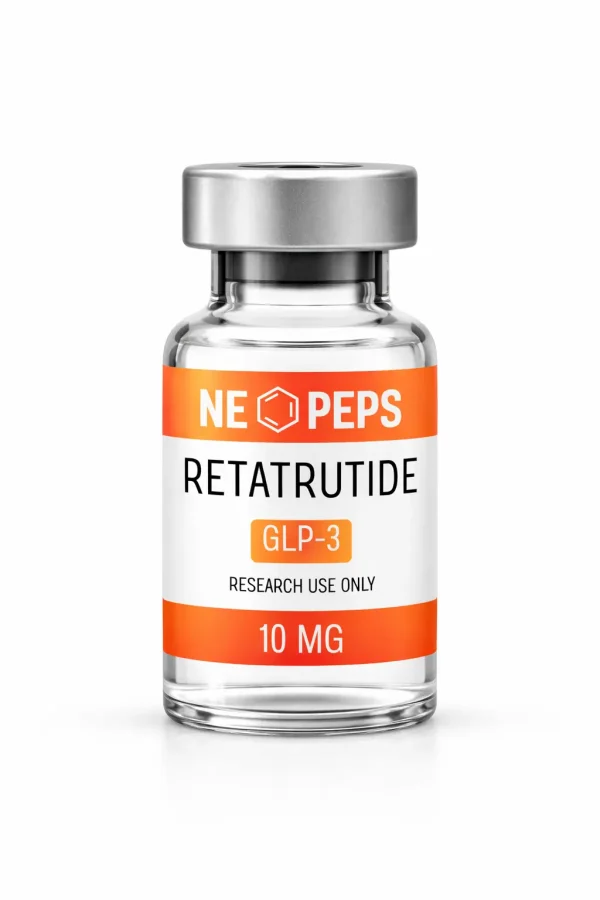
Specifications for this compound, independently verified by HPLC and LC-MS before release
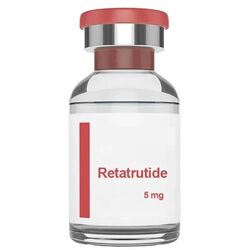
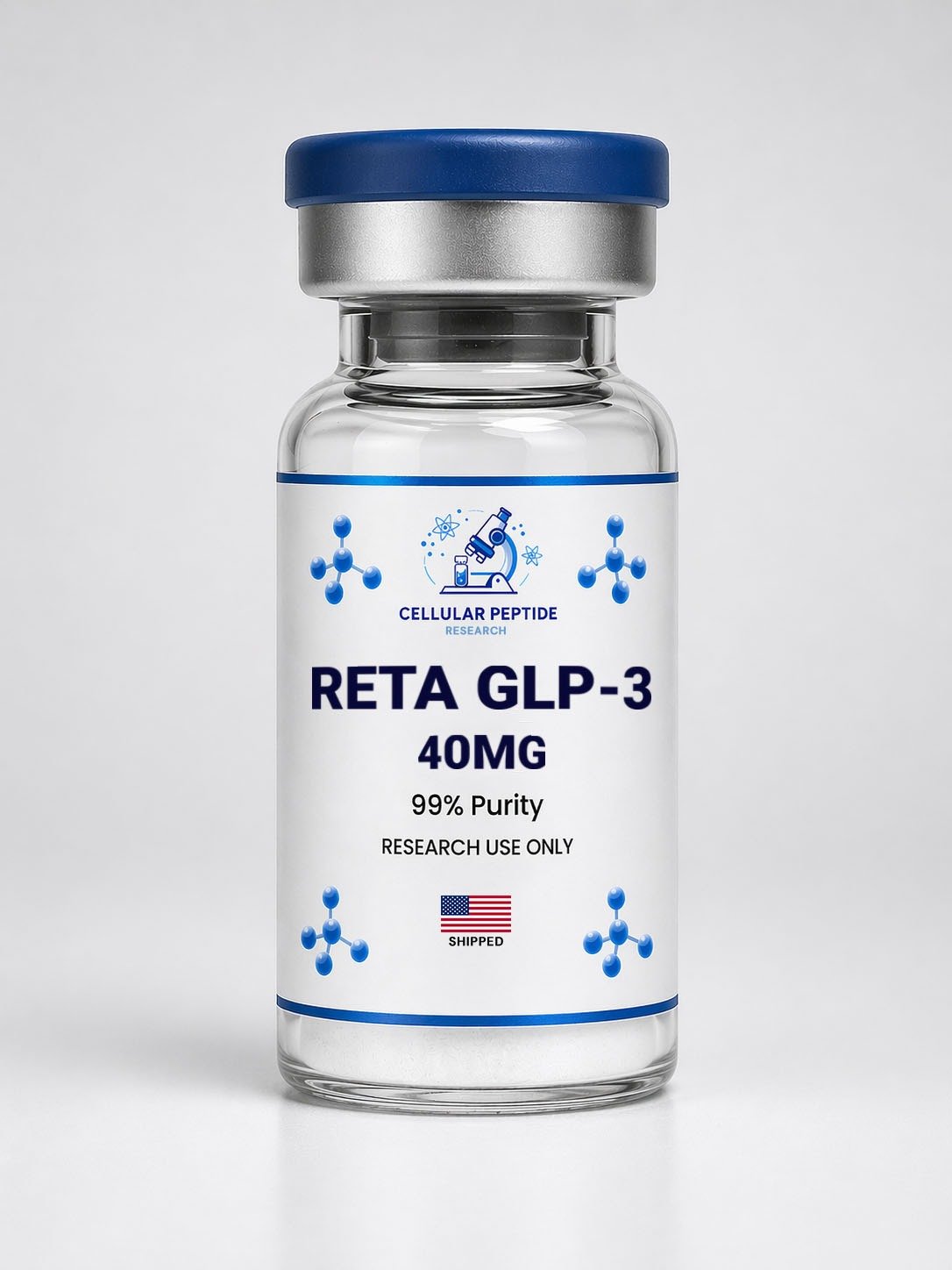
The REDF initiative is being deliberately framed around these reproducibility challenges, with study arms dedicated to questions that investigators encounter in real life: how many freeze-thaw cycles can be tolerated before Retatrutide-related signals become unreliable, which storage regimens minimize degradation without imposing impractical handling burdens, and how batch-to-batch analytical variation compares with normal instrument drift








/assets/images/provider/photos/2787796.jpeg)