Soft pastels · Free shipping over $75 · Shop the boutique
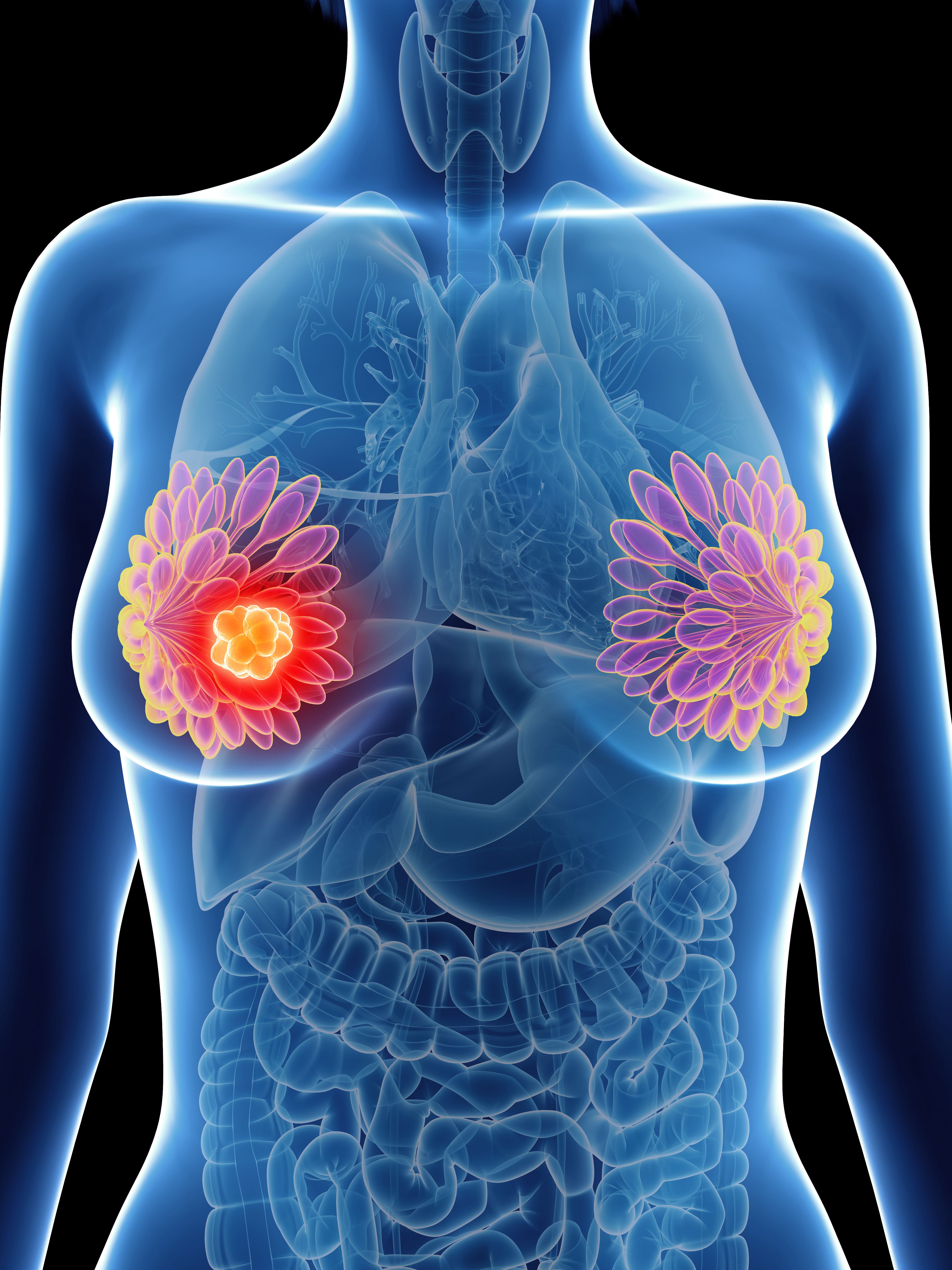
breast cancer and glp 1 drugs

breast cancer and glp 1 drugs A new Penn Medicine study of more than 110,000 women found that those who took GLP-1 medications were about 30% less likely to develop than those who did not. Presented Ending Breast Cancer Forever |

SKU: 70385079799

4.8
EUR23.19 EUR68.19

Pay in 4 interest-free payments of $5.80 Learn more

Shipping Estimate
USA
  • USA
  • CAN

Ships within 48 hours · Estimated delivery Aug 9 - Aug 14

Description

"These drugs aren't cures and don't change the underlying factors that cause weight gain ," he stresses

breast cancer and glp 1 drugs A new Penn Medicine study of more than 110,000 women found that those who took GLP-1 medications were about 30% less likely to develop than those who did not. Presented Ending Breast Cancer Forever |

And its constitutive over-activation, with canonical signaling pathways containing effector molecules such as STAT3/5, PI3K-AKT, and RAS-MAPK activating, which induce malignant phenotype and promoting tumorigenesis, has been implicated in the progression of multifarious cancers (Fukushima et al., Non-coding RNAs are a cluster of RNA that have non-protein-coding transcripts and are the most common RNA species in eukaryotic cells, including rRNA, tRNA, microRNA, snoRNA, piwi-interacting RNA (piRNA), circRNA, lncRNA, and so on (Slack and Chinnaiyan, In this review, the crosstalk between the HGF/c-Met axis and ncRNAs (mostly miRNAs and lncRNAs) in common human cancers are summarized

breast cancer and glp 1 drugs A new Penn Medicine study of more than 110,000 women found that those who took GLP-1 medications were about 30% less likely to develop than those who did not. Presented Ending Breast Cancer Forever |

3.7.3 Mechanisms of association between UPF intake and ASD There have been a range of recent studies that have shown that high dietary intake of UPF may contribute to an increased risk of developing ASD, which may be mediated through a range of different pathophysiological mechanisms, including lipid dysregulation, oxidative stress and neuroinflammation (Table 2)

breast cancer and glp 1 drugs A new Penn Medicine study of more than 110,000 women found that those who took GLP-1 medications were about 30% less likely to develop than those who did not. Presented Ending Breast Cancer Forever |

J.DussmannH.PrehnJ

breast cancer and glp 1 drugs A new Penn Medicine study of more than 110,000 women found that those who took GLP-1 medications were about 30% less likely to develop than those who did not. Presented Ending Breast Cancer Forever |
Exchange/Return Notes
  • We offer a 30-day return/exchange service after receiving.
  • Final sale items are not eligible for returns or exchanges.
  • To process your return/exchange, please contact us at [email protected]
  • Please click here for more details>>> Return & Exchange Policy

You may also like

recommand products