Mast cell activation syndrome (MCAS) flares up when mast cells, which are located throughout the body, inappropriately release excessive amounts of chemical mediators, such as histamine, in response to a trigger, including one or more of the following: Alcohol An allergen Certain chemicals Certain food items (which vary among individuals) Certain fragrances (such as perfume or cologne) Certain medications Exposure to sunlight Heat or cold Heavy metals Infection (bacterial, viral, or fungal) Mold/fungus When mast cells function as they should, they help defend the body against threats, such as harmful viruses, bacteria, and fungi
April 15, 2026: The FDA's updated 503A document removes Epitalon (both Epitalon acetate and Epitalon free base) from Category 2 and schedules a PCAC meeting for July 24, 2026
Blood Sugar Management Challenges: For individuals with diabetes, gastroparesis can make blood glucose control extremely difficult
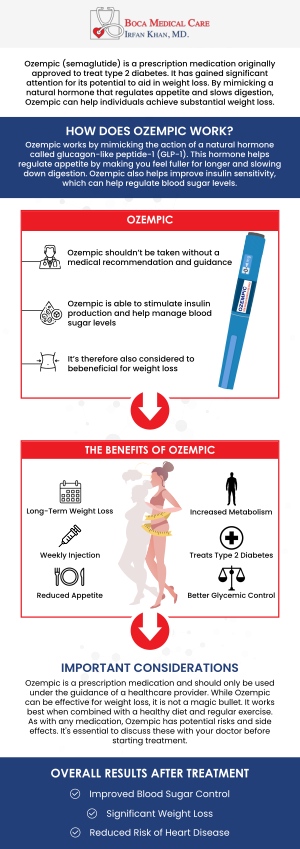
Use for weight loss medication in non-diabetic patients should be considered with caution and under medical supervision, as there are factors unique to each individual that must be considered
:format(webp))