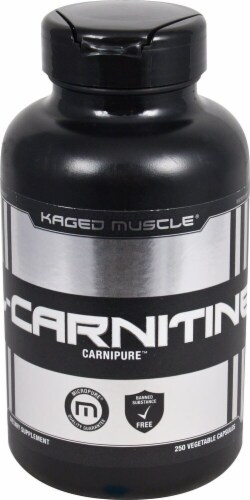
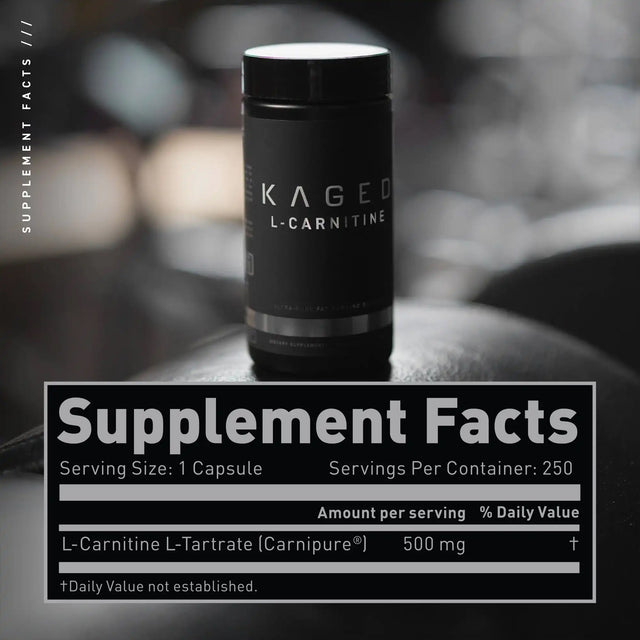
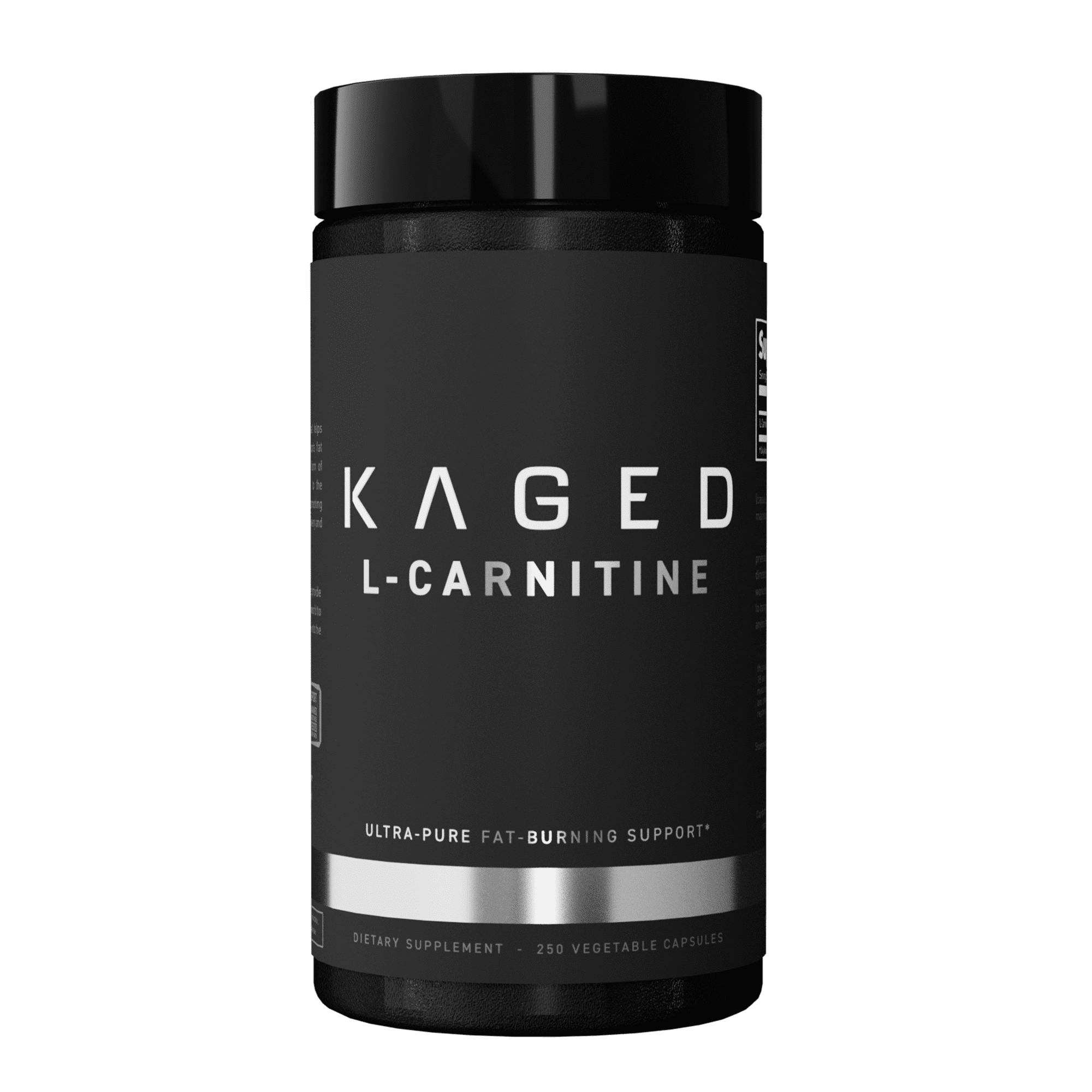
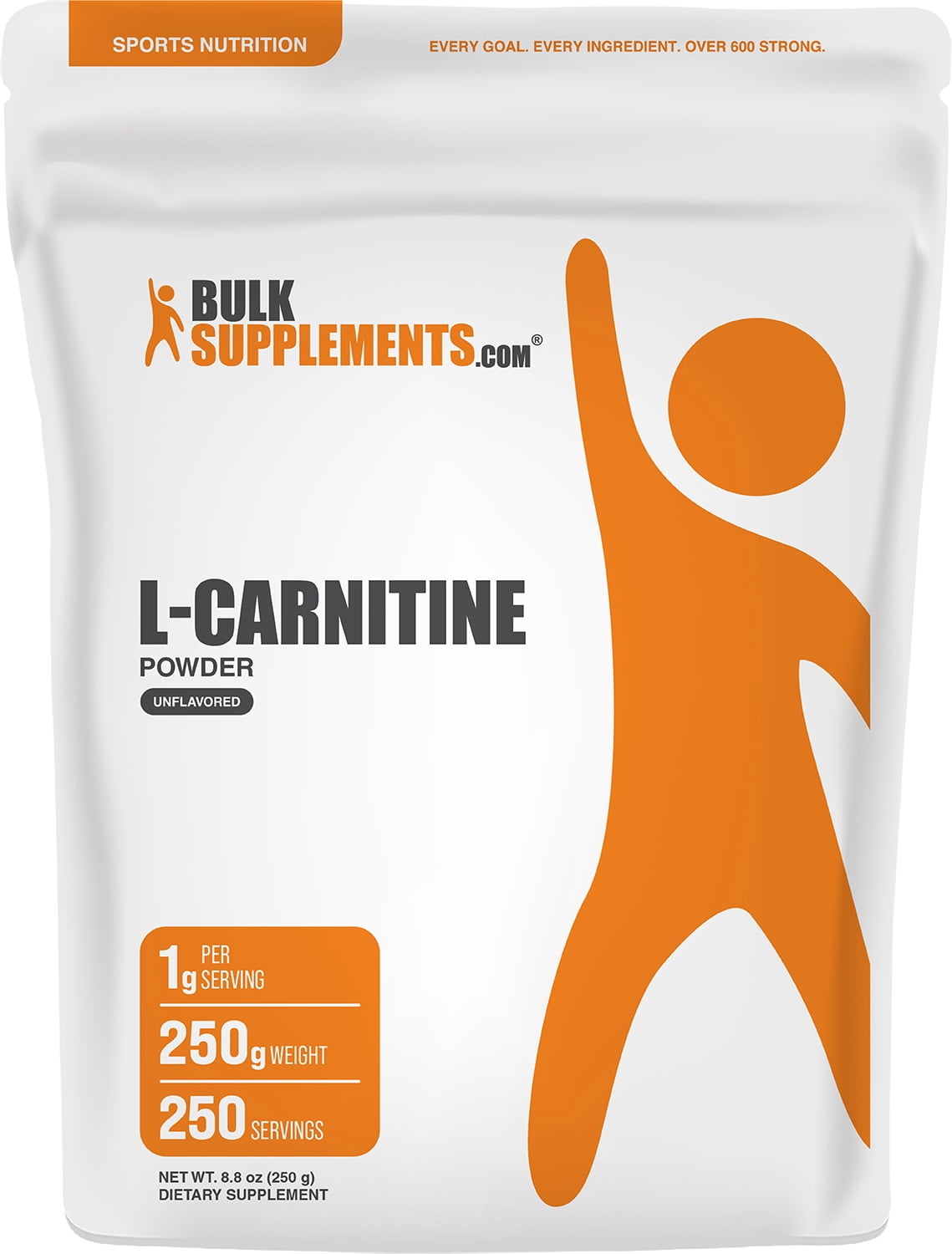
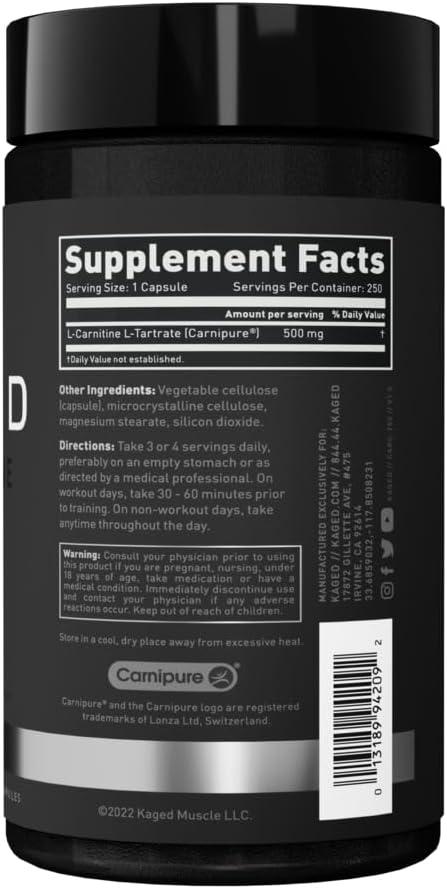
How L-Carnitine Fat Loss Works Benefits for Cutting & Fat Loss Enhances fatty acid transport into mitochondria, increasing the rate of fat oxidation by 1015% during deficits Improves training capacity during cuts by preserving muscle glycogen and reducing reliance on amino acid catabolism Spares muscle protein during aggressive deficits (400+ kcal below TDEE) by shifting fuel utilization toward fat Reduces fatigue during high-intensity cardio and resistance training in fasted states by optimizing energy availability Improves recovery between high-volume cutting workouts by enhancing ATP regeneration via efficient fat oxidation Synergizes with caffeine and green tea extract for additive thermogenic fat loss effects Safe for extended use during long cutting phases (1216 weeks) with minimal side effects Particularly effective in individuals with low baseline carnitine status (vegetarians, older athletes) or during extended deficits Side Effects & Concerns Modest fat loss benefit (1015% enhancement)not a standalone fat burner, requires caloric deficit and training TMAO production concern: L-carnitine is metabolized to trimethylamine N-oxide, potentially linked to cardiovascular issues in some studies (controversial and dose-dependent) Minimal effectiveness in sedentary individuals or without concurrent caloric deficit

The FDA position on tirzepatide and pregnancy The FDA classifies the evidence as insufficient
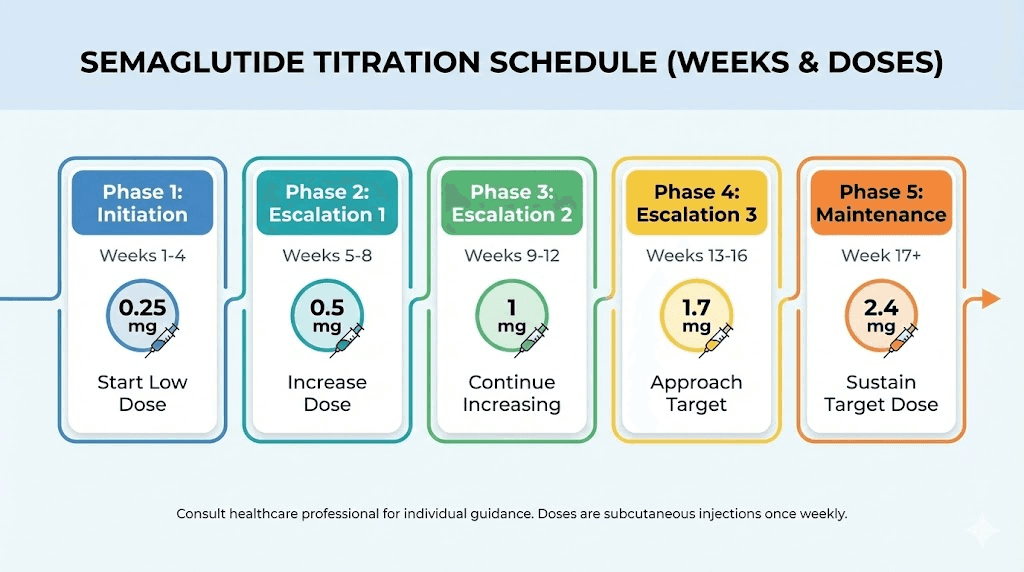
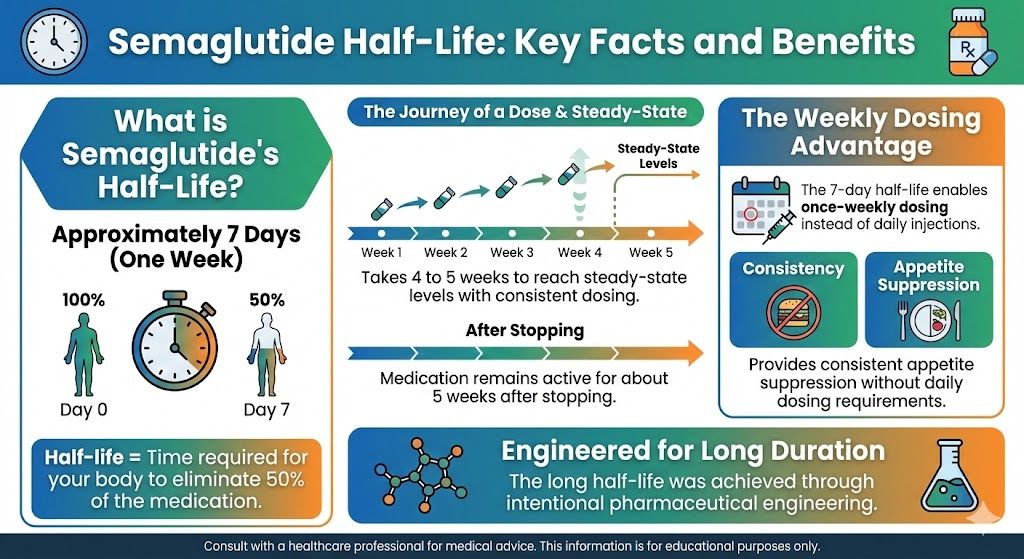
Injectable Semaglutide Both the oral and injectable versions of semaglutide utilize the same active ingredient to facilitate weight loss through GLP-1 receptor agonist pathways
Day 2: the July 24 votes on DSIP, Semax and Epitalon The meeting continued on Friday, July 24, with reviews of Emideltide (also known as DSIP), Semax, and Epitalon, for nominated uses that included opioid withdrawal, insomnia, narcolepsy, cerebral ischemia, migraine, and trigeminal neuralgia







![Amazon.com: Bath and Body Works C.O. Bigelow Lip Care Lemon Lip Balm 0.13oz [3-Pack] : Beauty & Personal Care](https://m.media-amazon.com/images/I/71lgEKQzB-L._AC_UF1000,1000_QL80_.jpg)


